
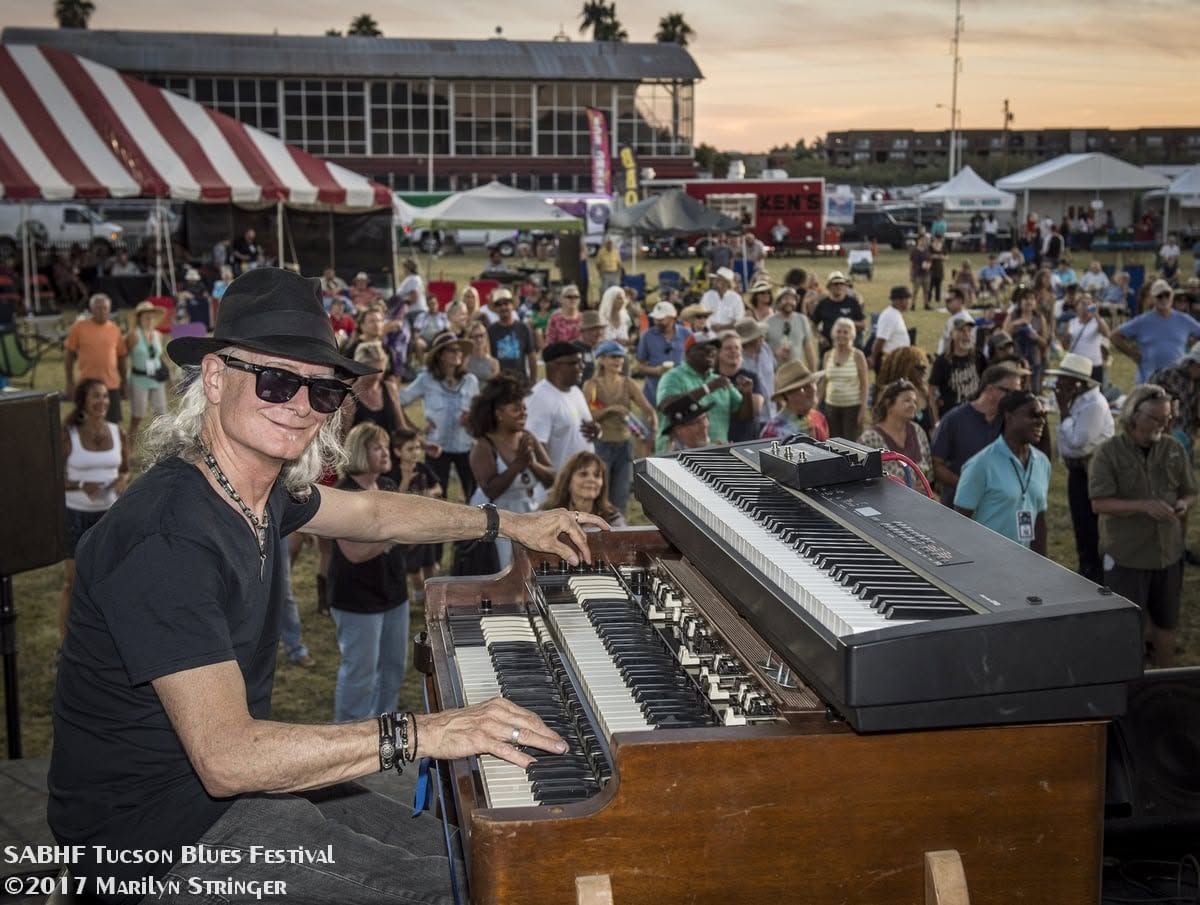
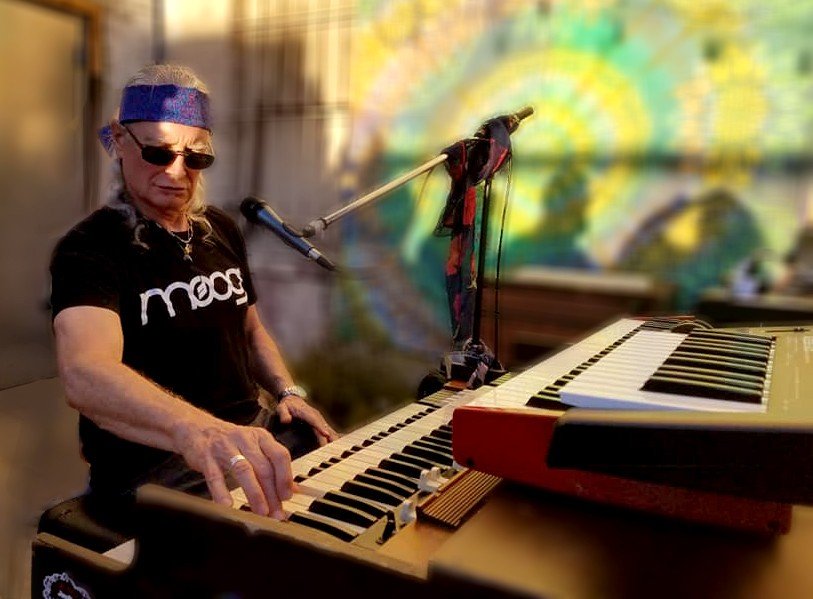
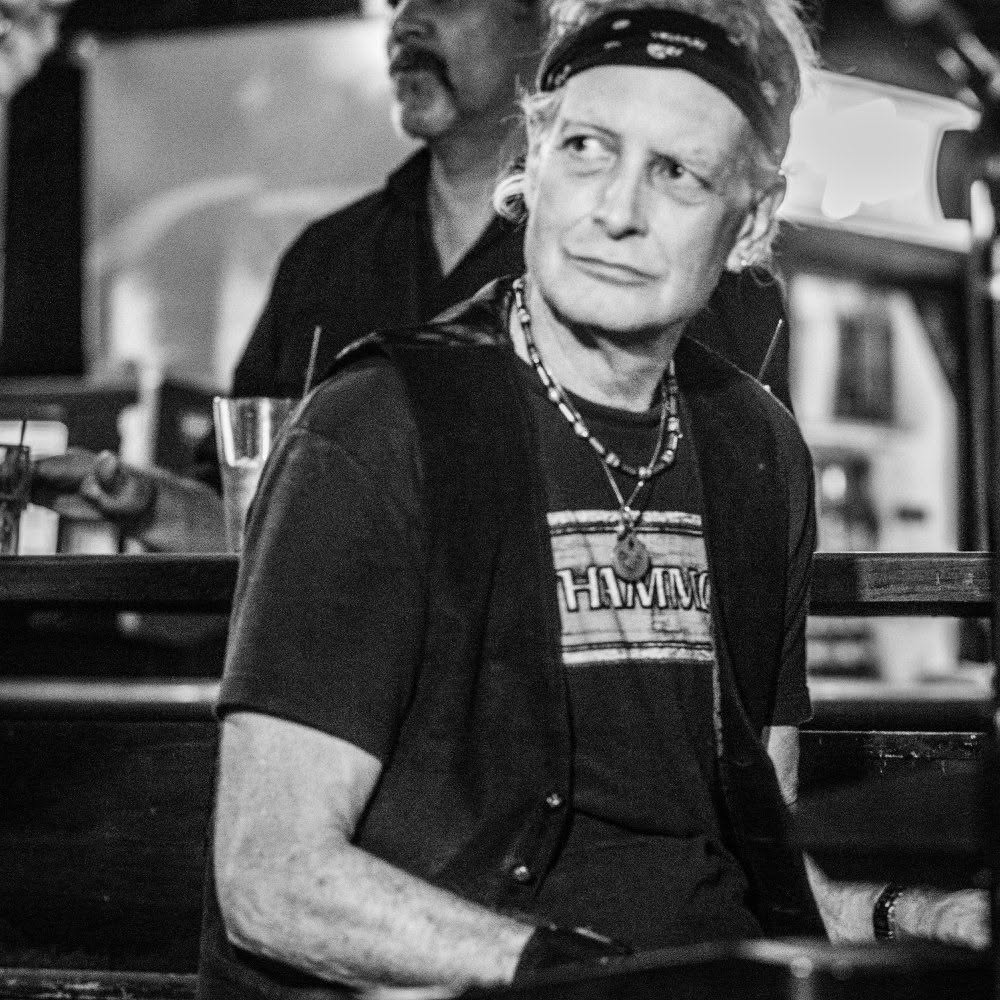
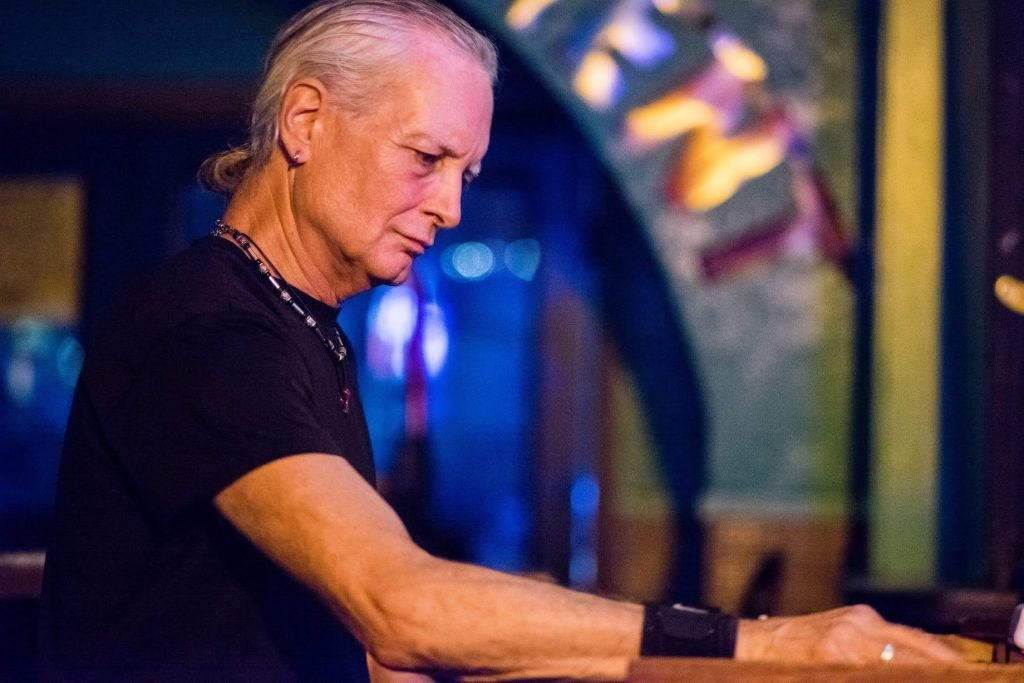
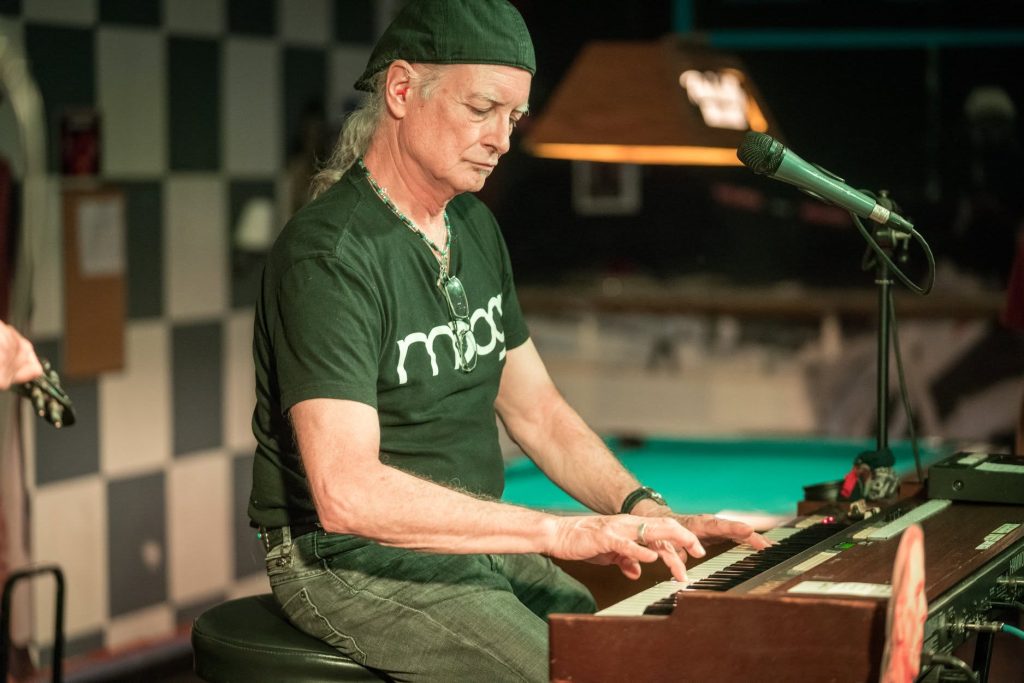
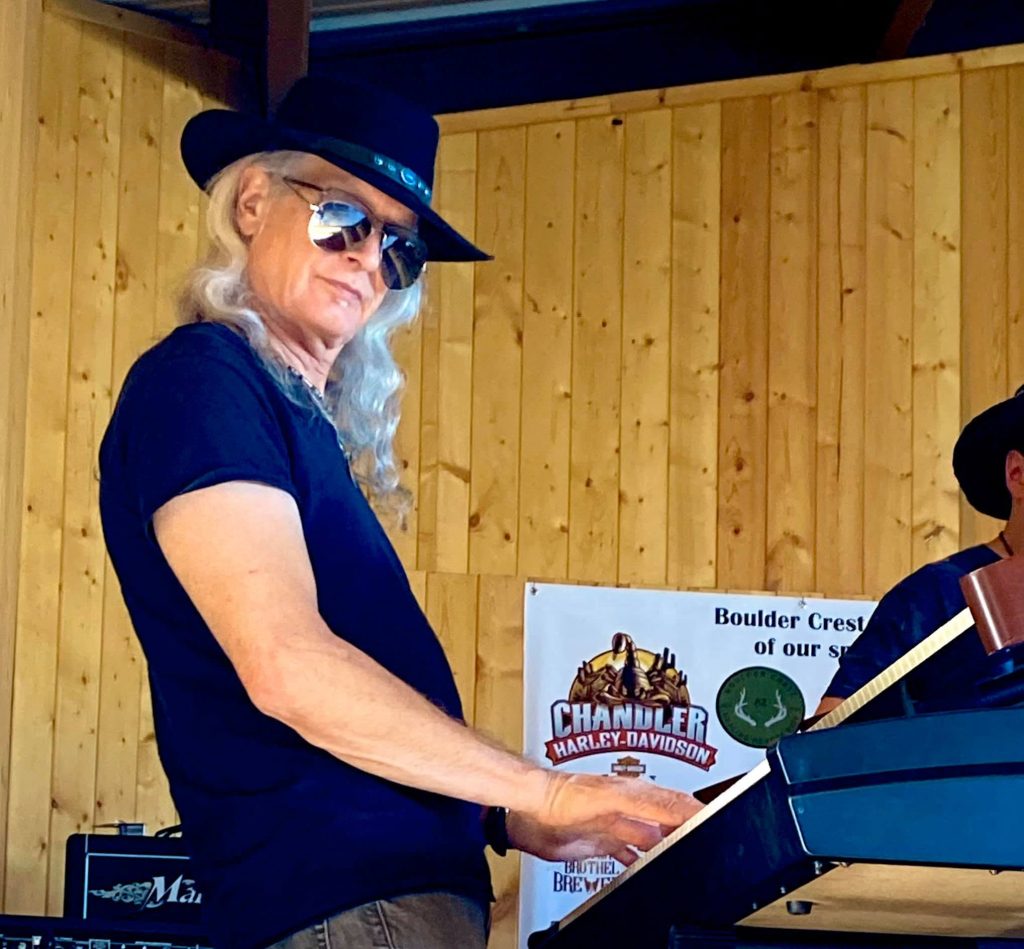
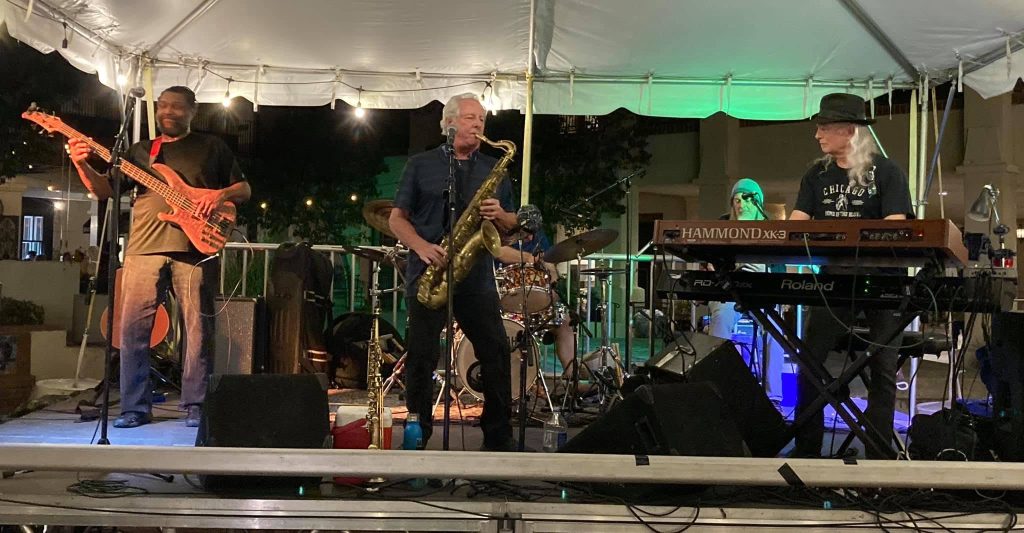
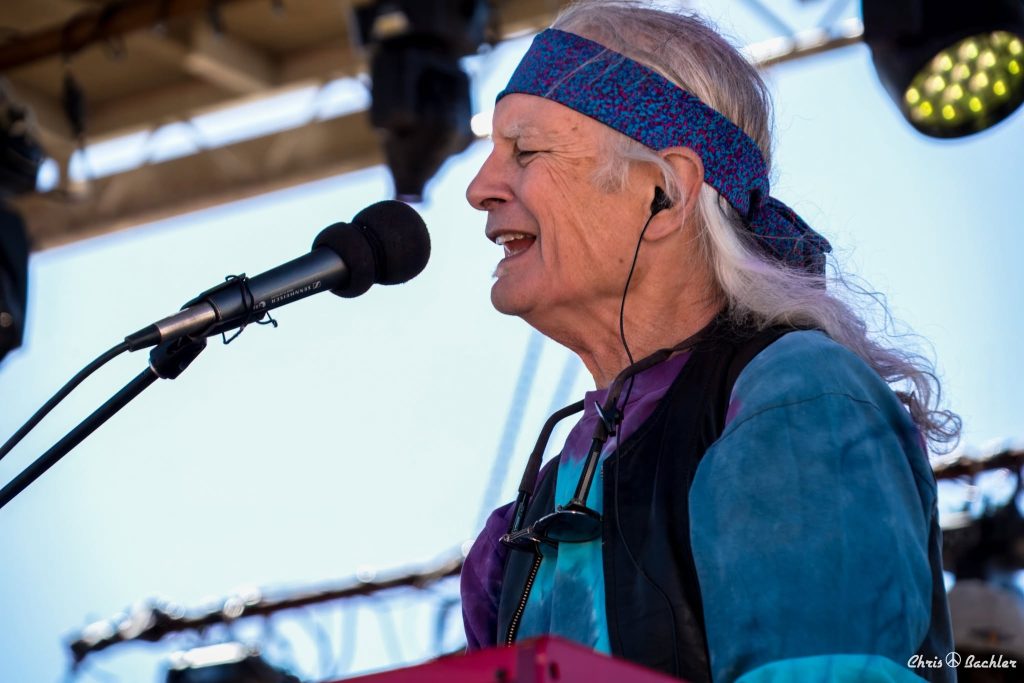
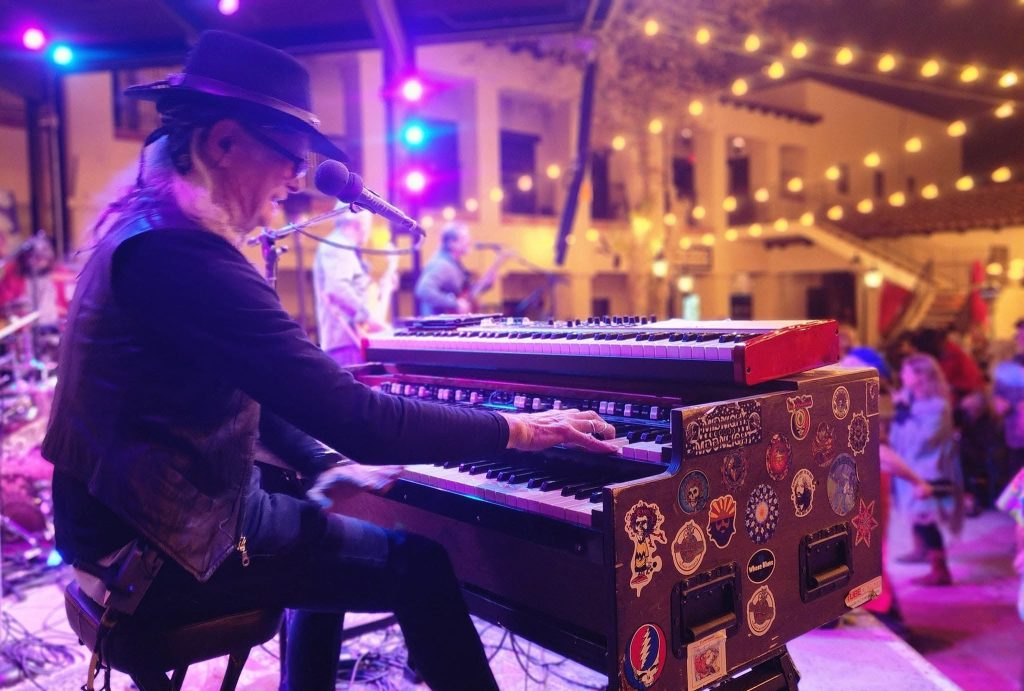
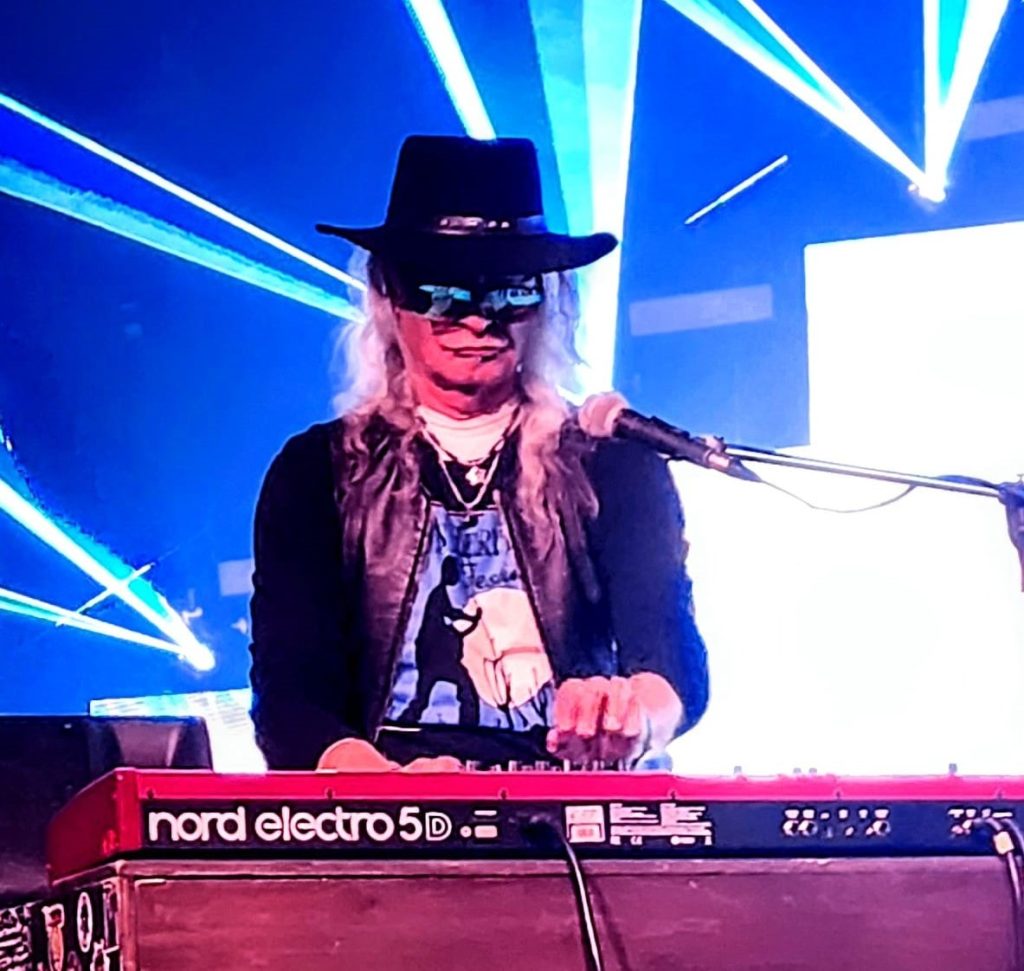
Few musicians in Tucson are as closely associated with the sound of the Hammond organ as Mark “Doc” Holladay. Whether he’s performing soul jazz with Soul ORGANization, bringing funk grooves to ORGANic Funk Alliance, honoring Jerry Garcia’s musical legacy with Legion of Mario, or rocking the keys with Mr. Skynyrd, Doc has spent decades sharing his love of music with audiences throughout Southern Arizona and beyond.
In this Tucson Musician Spotlight, Mark reflects on the artists who inspired him, his lifelong fascination with the Hammond organ, memorable moments on stage, and the people and places that continue to make Tucson’s music scene such a special community.
You’re known around Tucson for your love of the Hammond organ and classic soul jazz sounds. What first drew you to the keyboard and organ?
While immersing myself in the Beatles in the mid- 60’s, a distinctive sound emerged from certain bands featuring a “combo organ” (Paul Revere and the Raiders, the Dave Clark Five, and the Animals, for example). Mike Smith playing his Vox Continental on Dave Clark Five’s “Can’t You See That She’s Mine” is a great example. I can’t explain why, but I was immediately captivated by that sound.
Not long afterward, the Young Rascals emerged with Felix Cavaliere wailing on a Hammond B3—listen to his solo in “Good Loving” performed on the Ed Sullivan show in 1966 and you’ll see what I mean. Soon other bands with a huge Hammond organ sound appeared (Santana, Steppenwolf, Deep Purple, Vanilla Fudge, and the Allman Brothers Band to name a few) and shortly after, Emerson, Lake and Palmer, Yes, Kansas and other bands that had Hammond organ as a major part of their sound entered the scene.
Thanks to Our Community Sponsors
It was little later that I heard the likes of Jack McDuff and Dr. Lonnie Smith playing Soul Jazz–that’s what inspired me to try to play left hand bass like those guys. I loved listening to the organ players in all of those bands.
The Hammond organ has such a unique personality and energy. What is it about that sound that continues to inspire you after all these years?
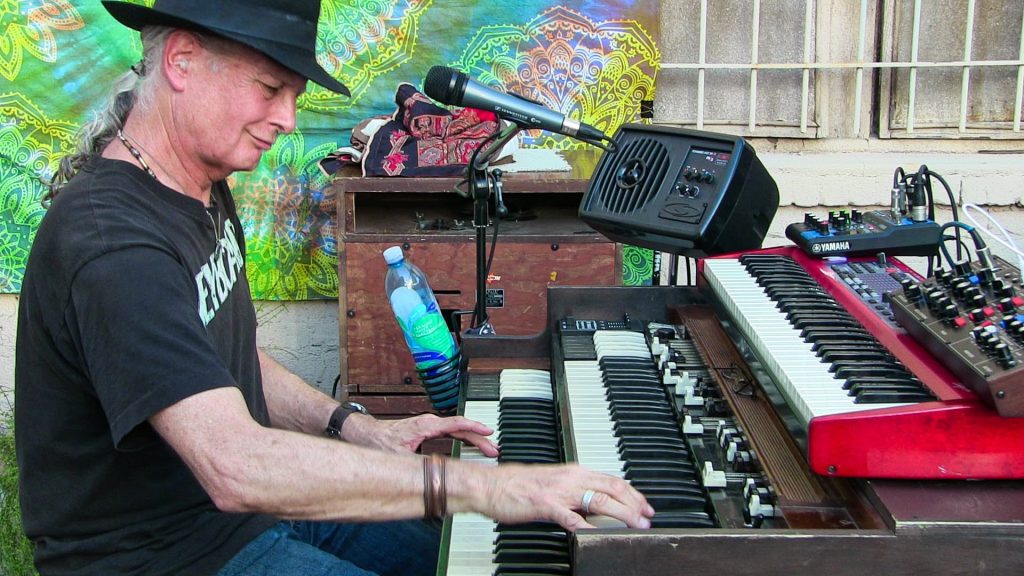
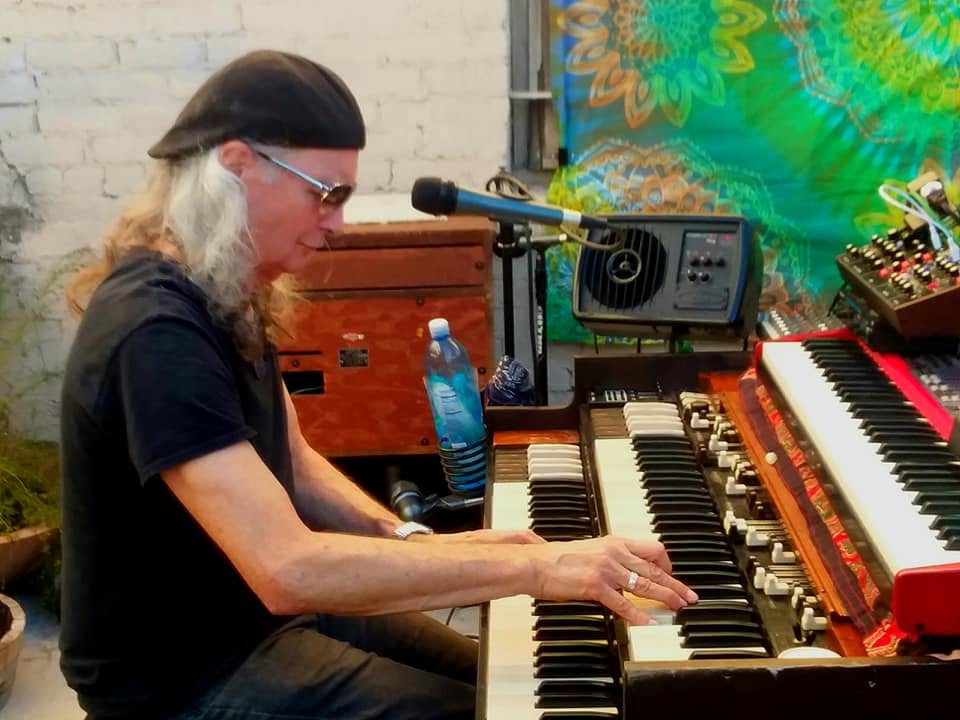
I think the tone is unique. As far as I know, Hammond organs are the only ones that generate their sound using a bunch of tonewheels, spinning discs that have little teeth around the circumference (picture something like the gear of a watch but a little bigger). The number of teeth per tonewheel defines the frequency of the tone that it produces.
So the tonewheel Hammonds have a unique sonic character compared to other makes of organ like Wurlitzer, Baldwin, Lowrey, etc. Hammond drawbars allow the organist to choose in real time which tonewheels are producing sound at a given time–this on-the-fly variability adds another dimension to playing a Hammond.
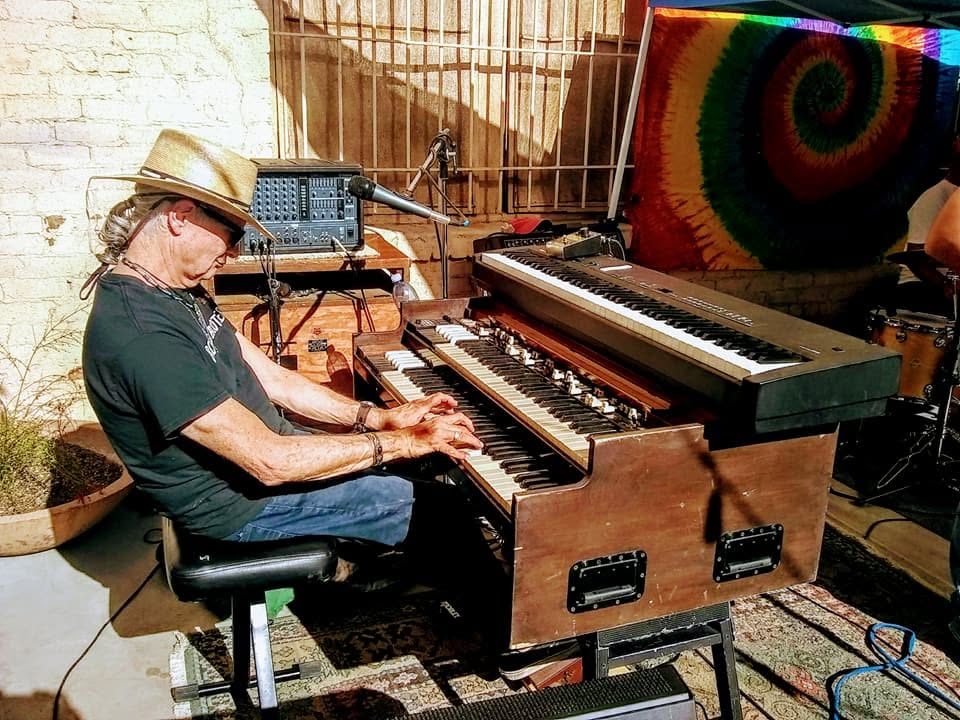
The sound is further enhanced by the whirly sound of a Leslie speaker — I used to dream about getting a Leslie for Christmas and I finally got a well-worn but great-sounding one around 1969 by scraping together funds and sharing with my brother.
You perform with groups like Soul ORGANization and ORGANic Funk Alliance. How would you describe the experience of playing live organ-driven music in Tucson’s music scene?
There are a lot of great keyboard players in Tucson, but not all take a special interest in playing in the style that emphasizes the unique features of a Hammond organ (drawbars, growly glisses, harmonic percussion, Leslie effects, and the like).
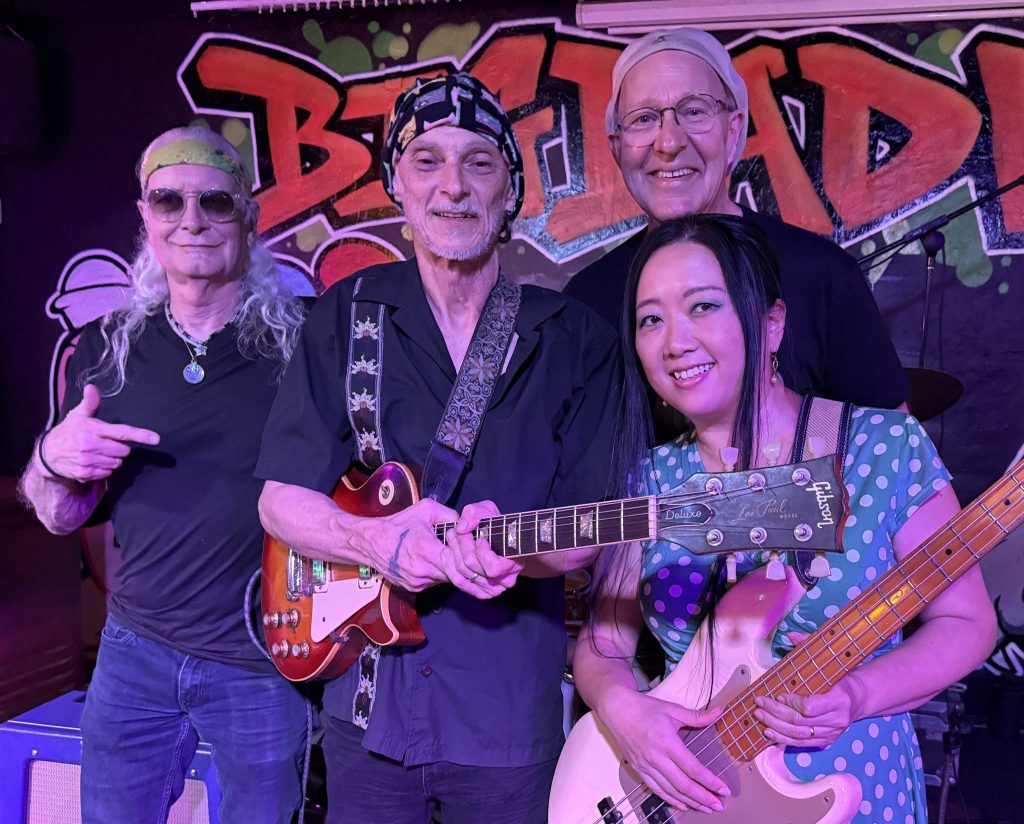
As the band names suggest, both Soul ORGANization and ORGANic Funk Alliance feature repertoires that tend to highlight the Hammond playing style, although other instruments contribute essential components to the overall sound.
For example, I love the sound of organ plus sax and/or guitar playing melodies in unison or harmony. There’s a lot of great music in Tucson across many genres, and “Soul Jazz” is a form of jazz that many listeners find relatable since it has generous helpings of blues and R&B.
You were an original member of Legion of Mario, one of Tucson’s longest-running Jerry Garcia tribute bands. What are some of your favorite memories from those early days with the band?
There are actually quite a few high points with Legion of Mario. The early days entailed long sessions in the rehearsal space on Saturday afternoons getting ready for our debut show at Crooked Tooth. It was exciting to study the styles of Merl Saunders and Melvin Seals, both of whom are captivating Hammond organ players.
The fans at LOM shows are fantastic– I think they are excited to hear Jerry Garcia-style music that complements the more typical Grateful Dead catalog that they all know and love.
Performing at the after-parties in Las Vegas following Dead & Co. shows at the Sphere was also a lot of fun. Playing into the wee hours of the morning felt like permission to embrace a bit of abandon, that is, not thinking too much about what you’re playing, just going for it–some video recordings of those shows were captured that are fun to watch.
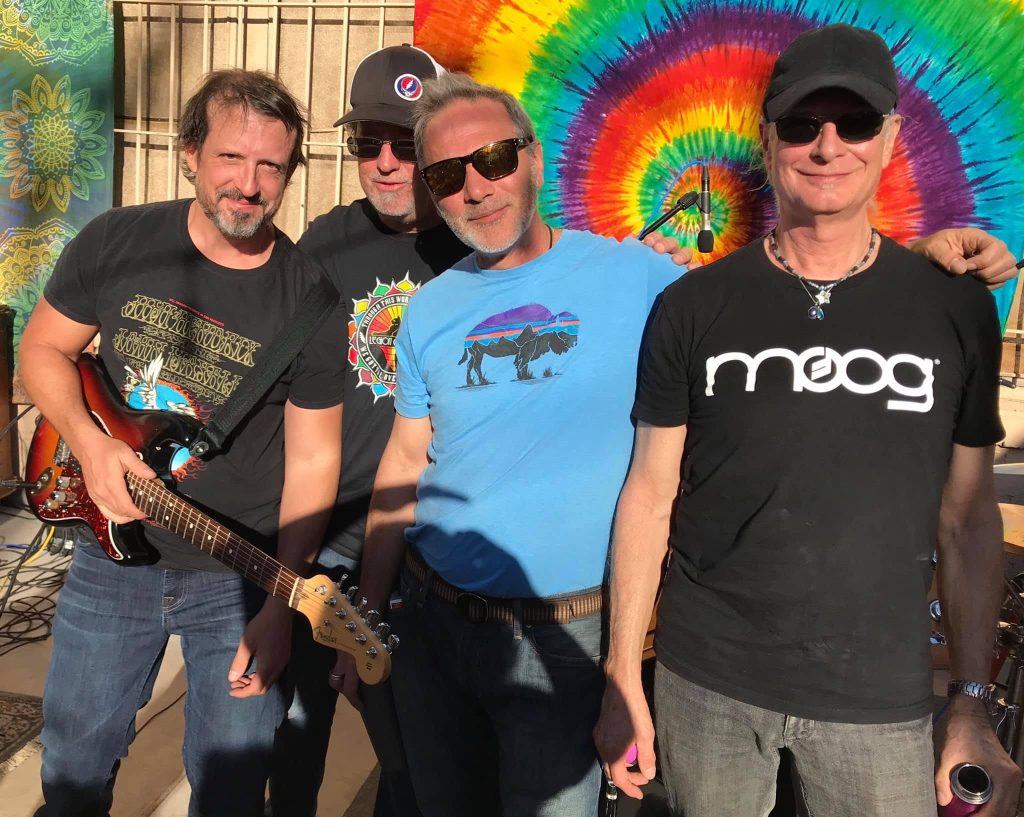
And of course, all of those gigs on the Randy stage at the Hut with lots of beautiful colors and happy people twirling and dancing were inspiring–I have to say, however, that hoisting an approximately 300-pound vintage Hammond onto that high stage was not for the faint of heart.
You’ve also been a longtime member of Mr. Skynyrd. How does playing Southern rock compare to performing soul jazz or funk music?
Thanks to Our Community Sponsors
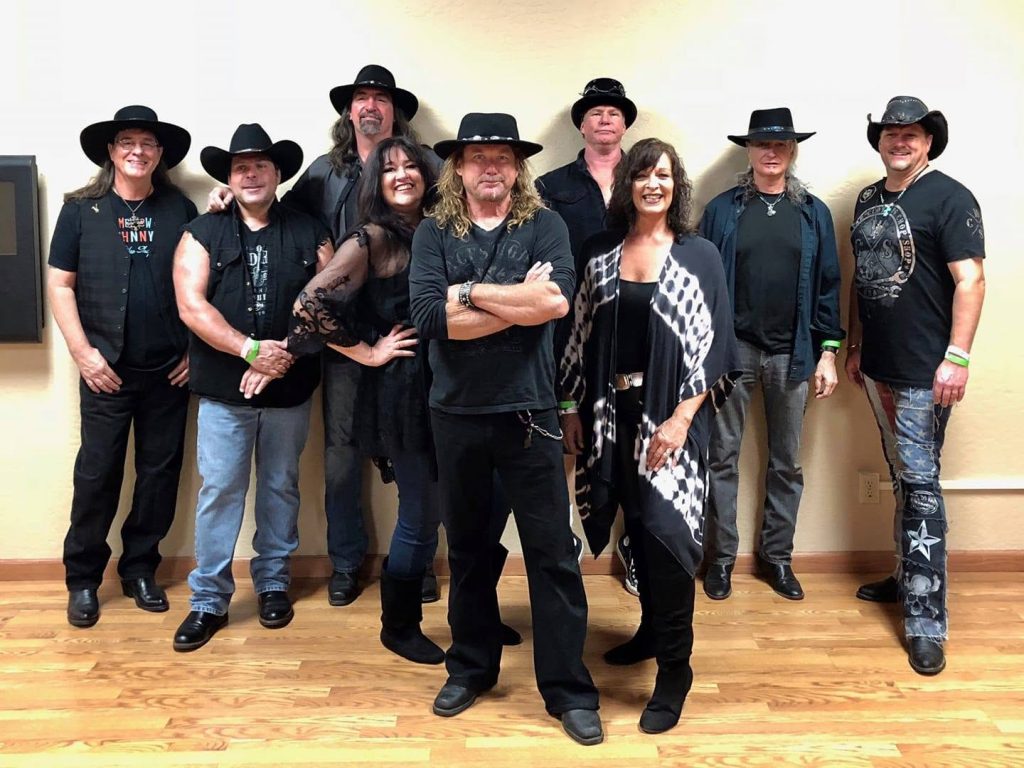
While Billy Powell played the Hammond on a few tracks like “Cry for the Bad Man,” most Lynyrd Skynyrd tunes have piano as the sole or primary keyboard instrument. Playing piano is different in a number of ways from playing organ—for example, sound is produced for as long you hold down a key on the organ.
On piano, the sound decays after hitting a key, so if you want to keep producing sound, you have to keep hitting. And Billy Powell had very agile fingers with a lot of trilly rock and roll stuff, so I had to work a bit to try to emulate it. But I have been a long-time fan of Lynyrd Skynyrd—I saw a great Skynyrd show at Nashville Speedway in the mid-70’s, so I jumped at the opportunity to play that music and I’m grateful to be part of the Mr. Skynyrd family—a great bunch of people.
And of course, it’s gratifying to be able to deliver when an audience member yells “Freebird!!!” at the end of a show.
The Century Room has become an important venue for jazz in Tucson, and you’ve been very involved there. What does it mean to you to see jazz and organ music being celebrated in that space?
Arthur Vint did a great job re-creating the vibe of a New York City jazz club based on his own experience in the Big Apple. Downtown Tucson has really developed over the past 20 years into an exciting shopping, dining, and night life destination, and having an authentic jazz club where acts from all over the country want to play is a big part of that.
You recently helped bring a jazz organ to the Century Room and even hosted an educational workshop about the history of jazz organ. Why is it important to you to share the history and appreciation of this instrument with others?
Helping bring the Viscount organ to the Century Room was actually a selfish act on our part—my wife Carol and I wanted to be able to see some of our favorite organ players come to Tucson so we could hear them live without having to travel. Larry Goldings, Pat Bianchi, and Rachel Eckroth are a few of the acts we’ve seen playing on the new organ at the Century Room.
Later, Arthur asked me if I’d like to participate in the Century Room’s Soul Jazz Lounge series. I was like “Really?? Play in the Century Room on a great organ that’s already there? I’m down!!”
The Tucson Jazz Institute was sponsoring workshops to promote jazz education in the community, and their director Krystyna Parafinczuk asked me if I’d like to present something to help introduce the new organ.
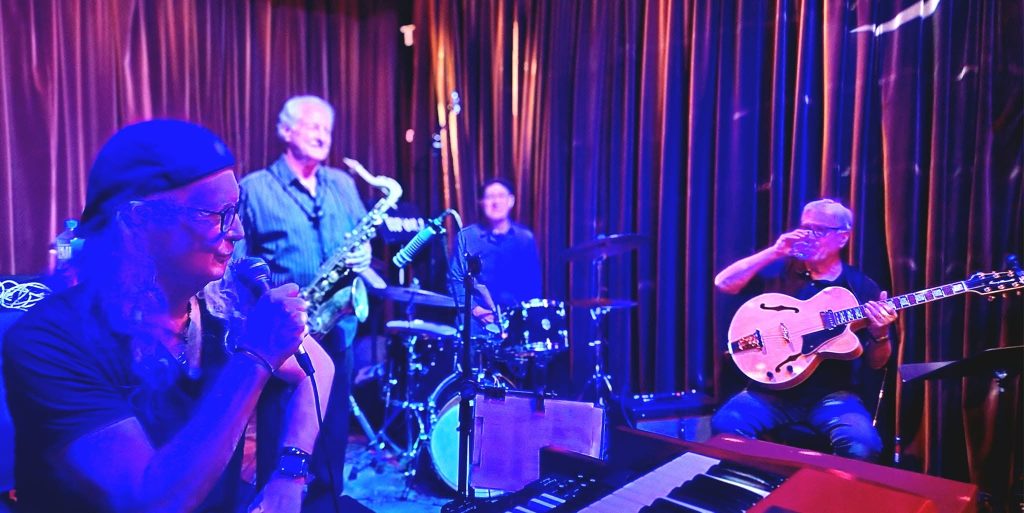
The Viscount Legend Soul 273 was designed to emulate a vintage Hammond console in both sound and playability, and sometimes I’m asked about how to play a Hammond by keyboard players that haven’t had that much opportunity to play on a real one (“How do you work the drawbars?”).
So I took the opportunity to make a little presentation. I may be delivering it again later this year in connection with a Tucson Jazz Society event—stay tuned.
Over the years, you’ve played with many musicians and bands, including the Garcia Brothers Band. How has Tucson’s music community changed since you first became part of it?
If you’ll allow me, I’d actually like to focus instead of some of the great things that have been fairly consistent over time. When I lived in Tucson the first time (1998-2003), I played a lot with the Tall Paul Blues Band. Tall Paul’s method for running his band was to first book the gig and then line up other musicians to play on it. My prior experience had been almost exclusively with bands that had fairly consistent line-ups that rehearsed together a lot, so this was quite the opposite. But it was a great experience in several ways.
First was becoming conversant with the ~10-second on-stage huddle to go over the song you’re about to play, which generally is enough to know the important elements–but you have to listen closely after the song starts to catch some of the finer details.
Also, playing with Tall Paul I got to meet a lot of the great players in town as he rotated them in and out according to their availability to play on specific gigs. This is how I first met Steve Grams, Larry Lee Lerma, Kevin Heidermann, Gary Mackender, Ed Delucia and quite a few others that I still know and occasionally still get to play with. So this is all to say that one of the great things about the Tucson music scene is the amount of mix and match line-ups and ad hoc sit-ins that frequently occur.
Another element that I’d like to give a shout-out to is the organized jam sessions that have been well-supported by venues, musicians, and music fans, notably the long-standing jams hosted by the Deacon. Deacon’s special skill is to be both welcoming to new people while also running a tight ship, and he’s done a great job of this over many years in my humble opinion. I met Eric Garcia at one of Deacon’s jams and that’s what led to the opportunity to play with the Garcia Brothers at Eric’s epic crescendo Blues Fest show at Reid Park shortly after I moved back to Tucson in 2016.
Many people around Tucson know you as “Doc” Holladay. How did you get the nickname, and has there ever been a story behind it?
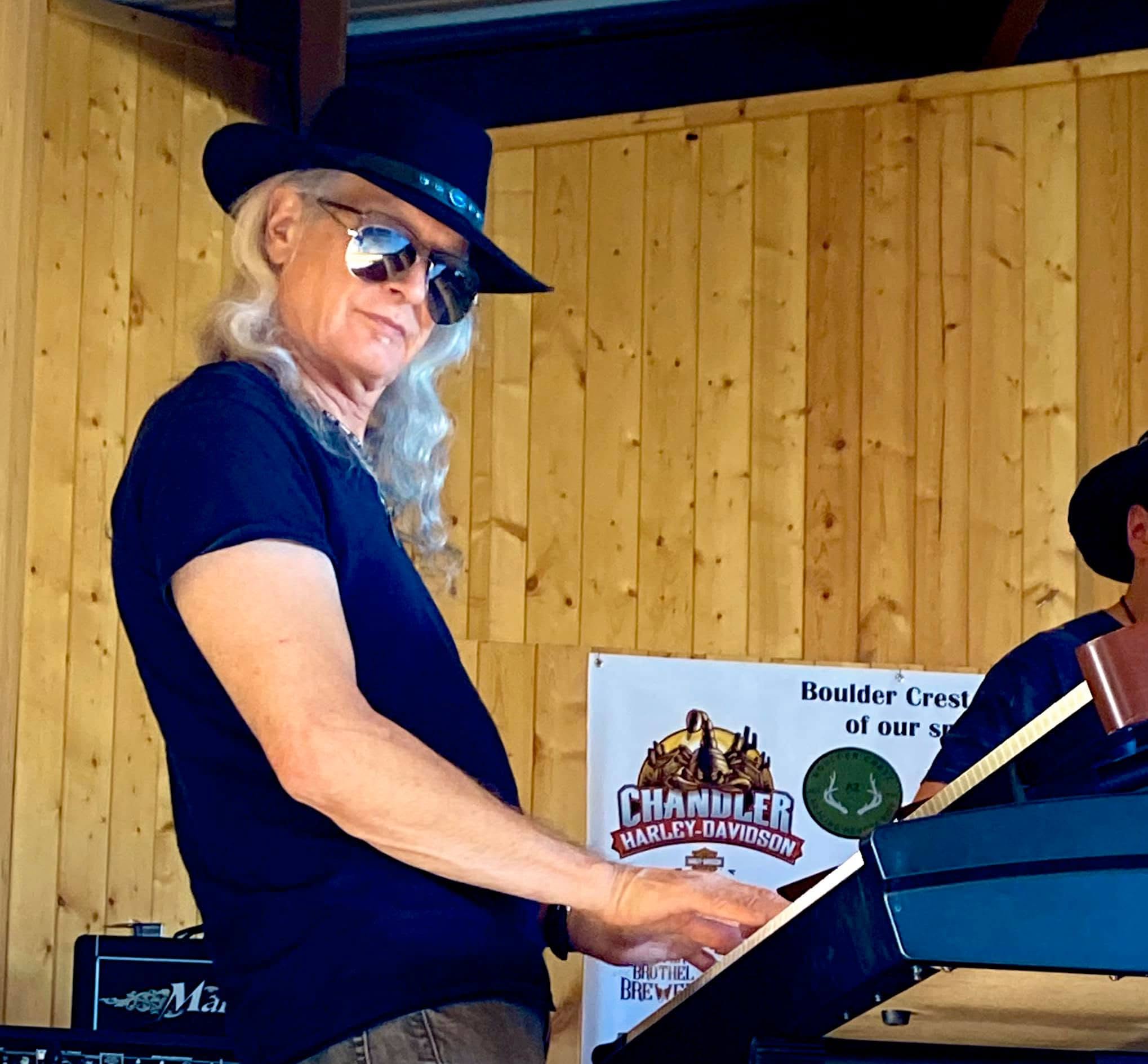
Back in Nashville and Chicago, people still call me Mark. The nickname “Doc” had been bandied about before, usually in a joking sense, but it must have solidified during my first time in Tucson–maybe Tall Paul started calling me “Doc” and it stuck.
Living in Southern Arizona with the last name “Holladay,” it was probably inevitable that people would connect me to the famous gunslinger. The name followed me during more than a decade away in San Diego, and by the time I moved back to Tucson in 2016, “Doc” was officially here to stay.
Looking back on your musical journey so far, what are you most proud of — and what still excites you about getting behind the keyboard and performing live today?
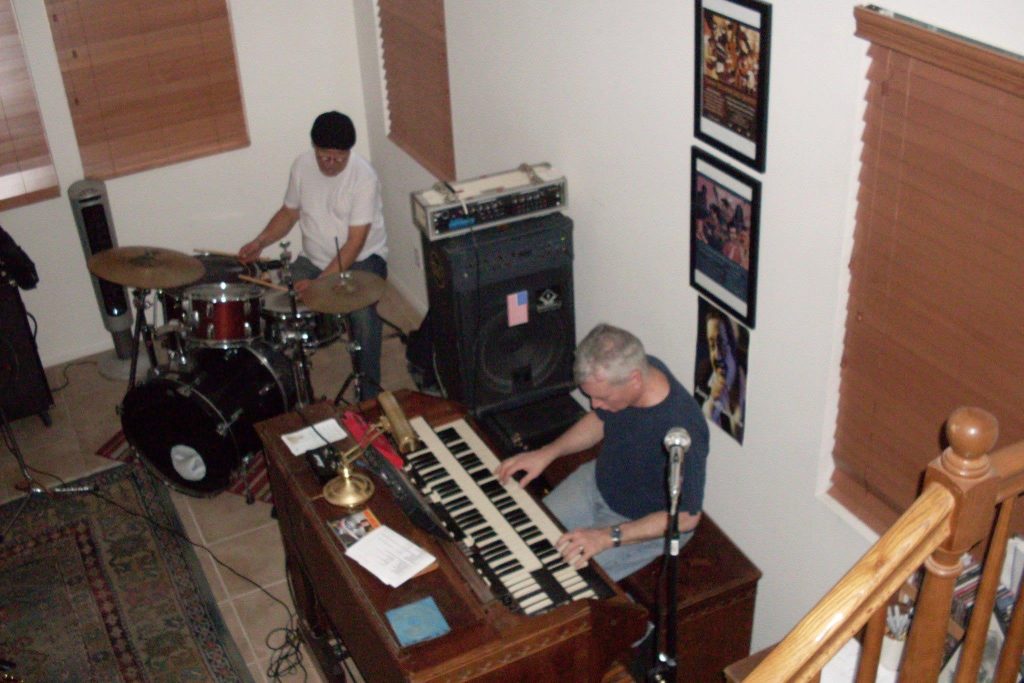
I’m just happy to still be playing, thanks in great part to the number of people in Tucson from my generation (and later) who remain enthusiastic to keep listening and dancing to live music originating from the past 60 years or more. And I have to mention the long-time support of my wife Carol, who among other things encouraged me to maintain a rehearsal space in our living room—it’s the first thing anyone sees when they walk in the front door. There are videos on YouTube of the type “So you still want to play in a band past 50?” with the not so subtle implication of “Good luck with that!” I feel very lucky.
Keeping the Music Alive
After speaking with Mark Holladay, it’s easy to see that his love for music extends far beyond the keyboard itself. From discovering the sound of the Hammond organ as a young listener to helping bring world-class organ performances and education to Tucson, Doc’s passion for music remains as strong as ever.
His stories highlight not only a remarkable musical journey, but also the friendships, collaborations, and community connections that make Tucson’s music scene so unique. Whether he’s performing soul jazz, Southern rock, or improvising late into the night with fellow musicians, Mark continues to inspire audiences while helping preserve and celebrate the music he loves.
We’d like to thank Mark “Doc” Holladay for sharing his story with Tucson Local Bands and for his many contributions to Tucson’s music community. We look forward to hearing where the music takes him next.
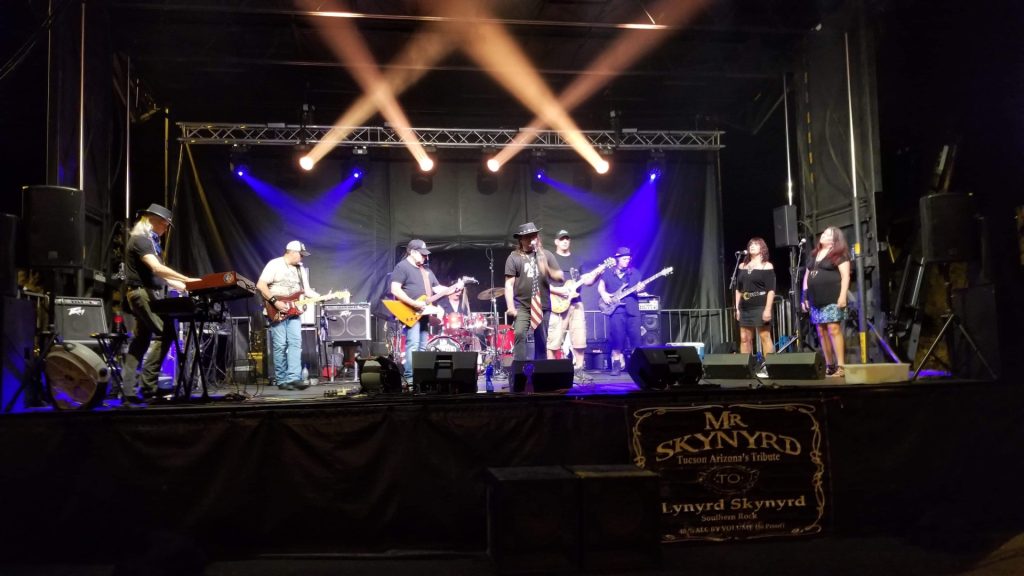
Thanks to Our Community Sponsors
Related Posts
Meet Frank Ramos: Tucson Music Videographer and Super-fan
Tucson Musician Spotlight: Brent Kort — Three Decades of Funk in Tucson
Meet Robin Hunn & The Tucson Vibe Project
Tucson’s Very Own Dancing Man: Kit!