
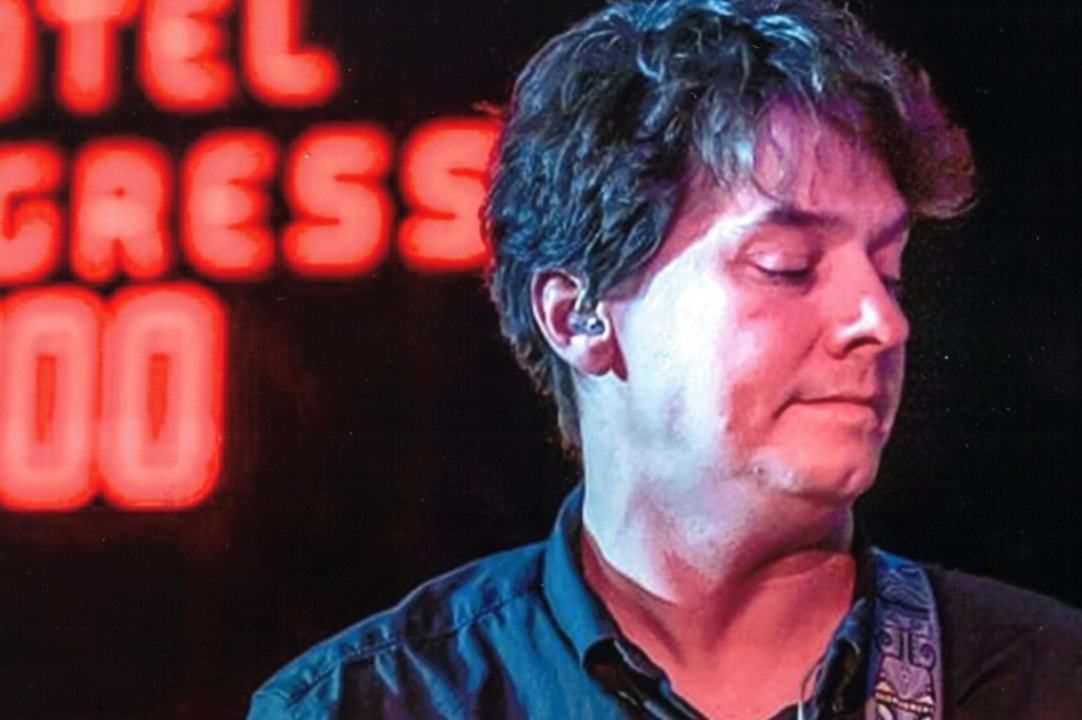
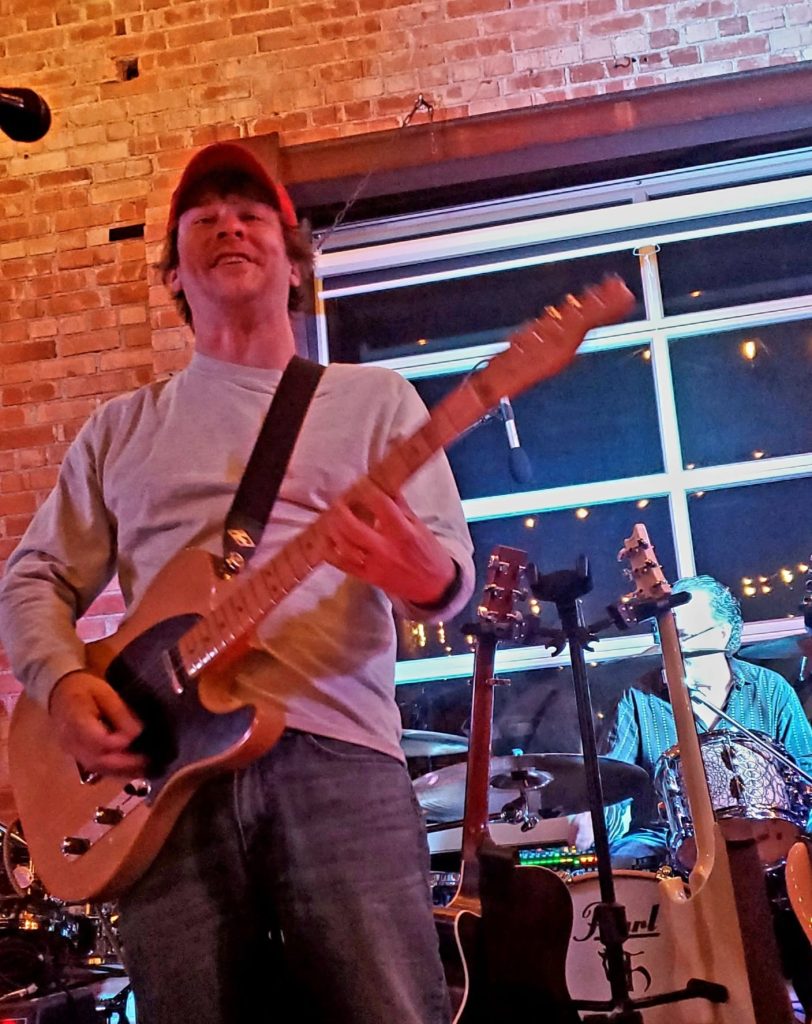
Tucson’s music scene thrives on collaboration, creativity, and community—and few people embody that spirit more than Ross Browne. Known for his expressive guitar work with Southbound Pilot and Gift Horse, Ross brings decades of musical experience, heartfelt storytelling, and deep respect for Tucson’s local talent to every stage he plays.
Beyond the spotlight, Ross is also the longtime head of The Editorial Department, helping authors shape their stories with the same precision and rhythm he brings to his music. In this conversation, he opens up about balancing art and editing, the joy of live performance, the challenges of Tucson’s ever-evolving scene, and the inspiration that keeps him creating after all these years.
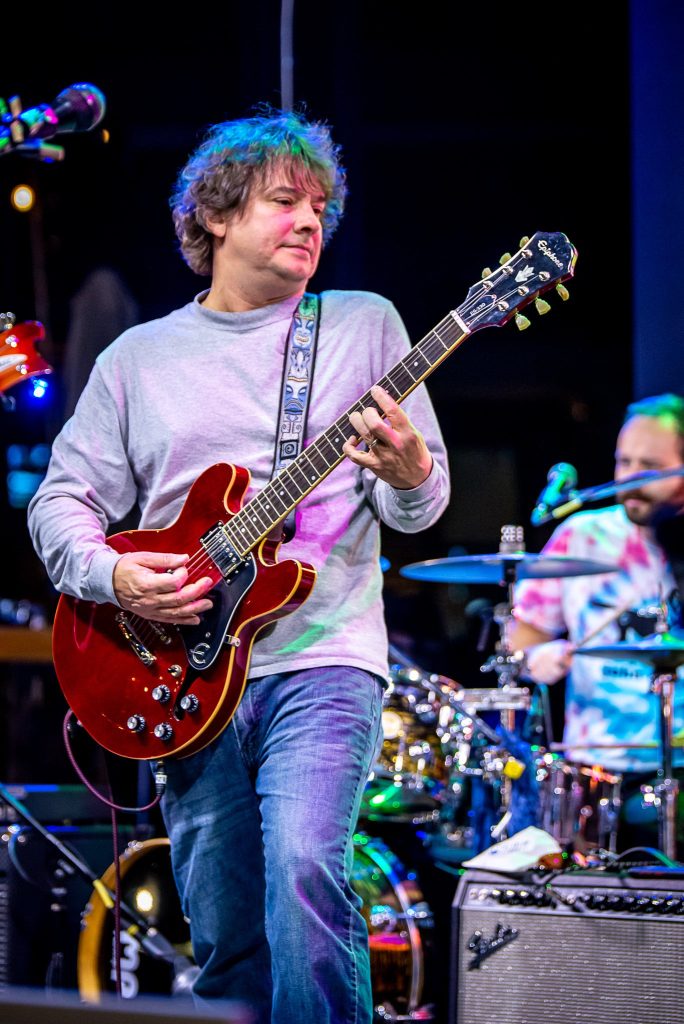
You’ve edited books since 1992 and run The Editorial Department since 1997. How has that experience shaped your approach to songwriting and performing? Do you see parallels between editing a manuscript and writing or refining a song?
Yes indeed! While songs and novels are certainly very different animals, I do see some common ground in the process of improving and refining them once you have an early draft or cut. And I’ve always felt that editors with a good ear for music have an advantage when it comes to helping writers improve their prose. Narrative voice in fiction relies on rhythm, cadence, flow, and the sound of words—all things music helps attune you to if you’re an editor. In that way, the two skillsets do overlap.
As someone who balances a demanding “day job” in publishing with being a guitarist, singer, and songwriter in bands, how do you find time and creative space for both? What does a typical week look like when you are juggling both lives?
Business hours for the editing work. Music usually happens after the sun goes down. (I’m a bit of a night owl, so that suits me fine.) My family keeps me hopping too, but they are very supportive when it comes to the demands of practicing and performing. I feel very lucky about that!
What drew you to form or join Southbound Pilot and Gift Horse? What distinguishes those two projects, musically and in terms of your role?
Thanks to Our Community Sponsors
I often joke that Southbound Pilot is my wife and Gift Horse is my mistress—or vice versa. I love both bands dearly, but they definitely scratch different creative itches, at least in some respects.
Brad and I started Southbound Pilot after a long run with a cover band here in town called The Bluerays. We’d each written songs and wanted to focus on originals. The plan at first was for both of us to contribute, but I quickly became so enamored with Brad’s songwriting that I happily set my own songs aside for this project.
Brad writes on piano, which is very different from writing on guitar, and tends to take melodies and voicings in interesting directions. So the process of working songs spawned in his way proved fascinating. (I’ve certainly become much more proficient in the key of Eb as a result.) Brad has always welcomed the influence that guitarists bring to his songs, and I think good things happen thanks to that alchemy.
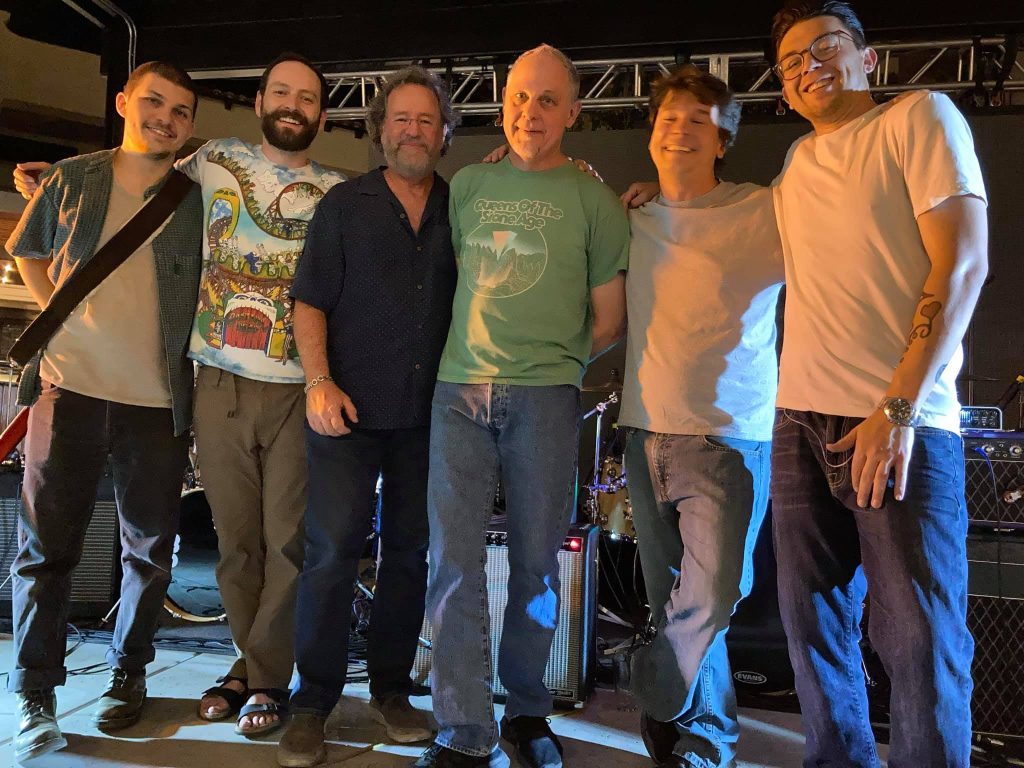
Things started clicking quickly, and once other players joined, each adding their own ingredients to the sauce, the sound we bring to the stage today really found its footing. Everyone who’s been part of the band over these 14 years has left such a positive mark, and I’m especially pleased with where we are now.
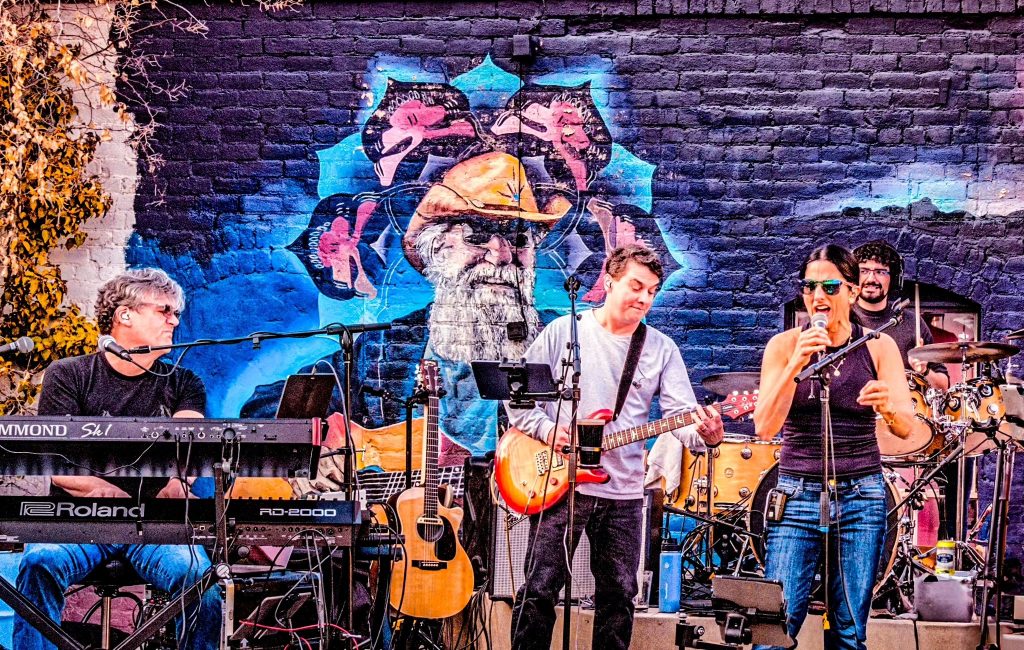
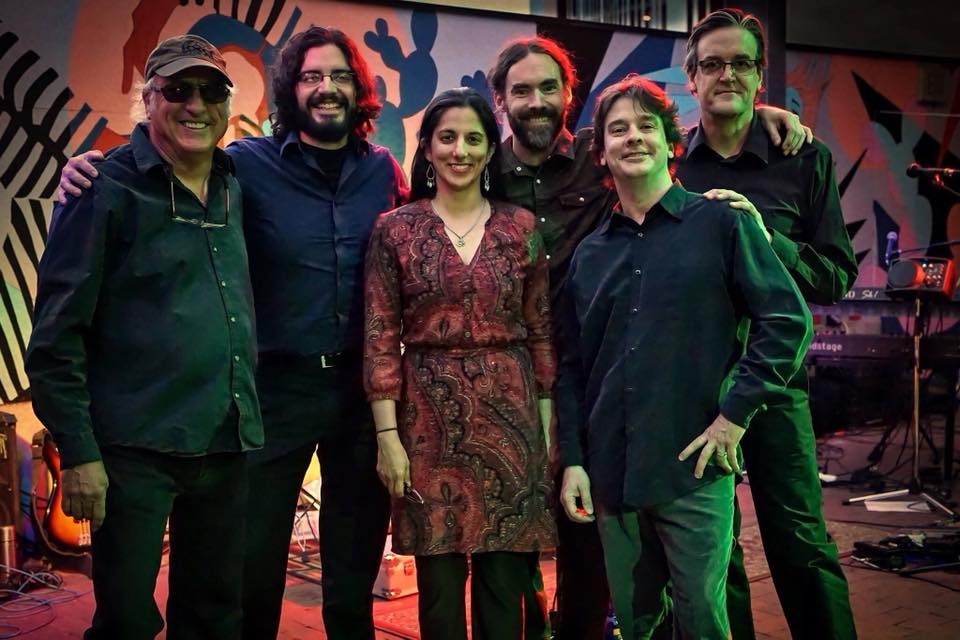
Playing original, highly improvised music is what I love most about the Pilot. We play covers too, but the real joy is the creative process of making something new out of whole cloth, especially when the material lands well with audiences and has them dancing and singing along. It’s a thrill to be part of that, and the friendships that have grown out of it mean a lot to me.
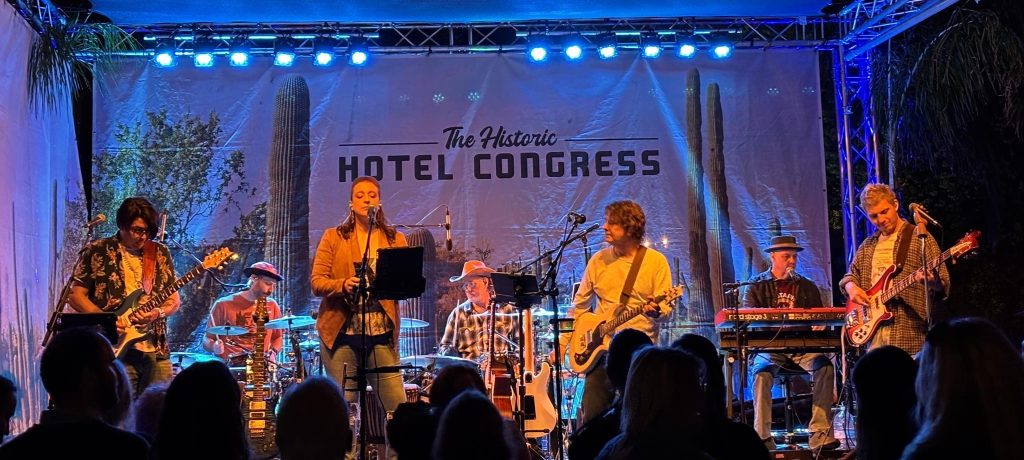
Gift Horse, on the other hand, began as a Sunday jam session with friends. We didn’t plan to become a band; it was just about having fun and putting our own stamp on some of this great music we all grew up on. But as the lineup expanded, the playing got better, and pretty soon we wanted to take it live.
Now we’re out there regularly with a very eclectic setlist that spans decades and genres—rock, blues, jam, folk, country, and more. Our goal is to take audiences on an unpredictable tour through an incredibly diverse era of music. We love putting our own spin on some favorites while also probing lesser-known corners of what the 60’s and 70’s have to offer. The response from fans has been so welcoming, and the sense of connection we feel with audiences who share our love of this music is something special.
One big pleasure of Gift Horse is that everyone sings. You never know who’s taking the next verse, and I love what happens behind the scenes as we work to figure out who should sing what and explore how to approach harmonies for a song. We’re not formally trained vocalists, but we’ve gotten pretty adept at helping each other be at our best vocally without attitude or ego, and it’s really fun when we nail something beautiful.
What I love most, though, is that just about every Gift Horse show feels like a party with friends. The ever-changing repertoire, the enthusiasm for sometimes-offbeat spins on classic songs, and this amazing energy we get from the crowd keep it fun and fresh. It’s a highly improvisational band where we can take risks, try something new, and not fear the occasional clam if we swing for something and miss. Some songs really don’t find their center until you’ve played them live a few times, no matter how much you practice. The audience’s energy definitely powers that process, and the shared aspect of the journey to get them where we want them is pretty special.
What are your main inspirations—musical, lyrical, or otherwise—these days? How do you keep developing as a guitarist and songwriter?
Thinking outside the music you might hear at a Pilot or Horse show, bands like Wood Brothers, Jeff Tweedy/Wilco, Dangermuffin, Lucinda Williams, The Kinks, and Spoon definitely inspire, both as performers and songwriters. Goose and Phish are doing such amazing things live these days, and I love how Billy Strings has brought traditional music to a whole new level and audience.
Dead & Co holds a special place in my musical heart because they show how the music of one of my all-time favorite bands can evolve and hold audiences spellbound, even in a post-Jerry/Phil/Billy [insert your favorite Dead keyboardist here] era. I still listen to tons of ’60s–’70s rock, soul, R&B, and funk records, and that music still resonates bigtime. I love blues, jazz, bluegrass, mountain music, and roots country too, and I try to absorb lessons from all of it.
When it comes to impact and legacy, few groups inspire me more than Crosby, Stills, Nash, and Young. What those four created—together, solo, and with bands like Buffalo Springfield, Crazy Horse, The Byrds, and Manassas—is staggering. So many great songs, melodies, lyrics, albums, and cultural ripples! Nick Drake is an artist who really has his hooks into me right now. He’s got such an amazing sense of melody, right up there with Paul McCartney in my view. And lately I’ve been listening to some earlier pioneers of hard rock with fresh ears, really getting into the rugged, hard-driving force of bands like Deep Purple, early Tull, Sabbath, and Mountain. This is creeping its way into what and how I play. The early Band records–Basement Tapes, Music From Big Pink, the brown album, and all those amazing outtakes from the Dylan/Woodstock era are constant musical companions as well. The sound of these songs is so unique, I can’t get enough of them. And the spirit of collaboration runs deep in a way I find very relatable and appealing.
Live music plays a huge part in the inspiration matrix as well. There are some bands here in town that I really love, and I try to see as many touring acts as I can, either here or in Phoenix. Trips to Jazz Fest in New Orleans have definitely made an impact too. The name is misleading because Jazz represents such a small portion of the scope of music you’ll actually hear there. It’s a musically diverse festival that showcases the power of soul and the impact of groove in a very impactful way. I always leave with my heart full and my fingers wanting to take my musical game to the next level.
Thanks to Our Community Sponsors
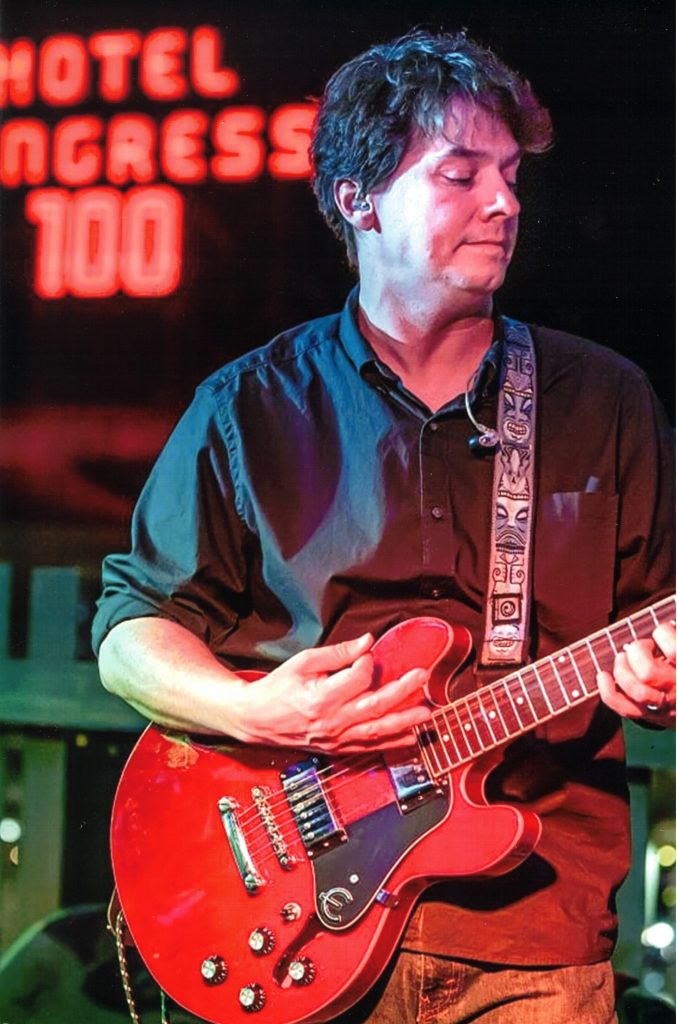
But I think the brightest light in my musical life really comes from the folks I’m lucky enough to play with. Playing guitar alongside Nick in the Pilot and Derek in the Horse—two utterly stellar (but very different) players—is thrilling and challenging and definitely inspires me to dig in deeper and to raise the bar on my playing. Working with Brad has taught me so much about groove, restraint, and the power of what you don’t play, and his prolificness in songwriting is absolutely an inspiration. (As is his playing.)
I’ve still got a lot to learn, but every bandmate I’ve shared a stage with has taught me something valuable and lit the creative path forward for me in some meaningful way. I’m really lucky to have such great rhythm sections in these bands, as playing with such terrific drummers and bassists just makes everything I aspire to do as a player so much easier.
How do you approach recording and producing your music? Do you prefer DIY recording or working in a studio with producers and engineers? Any memorable recording experiences?
I far prefer the comforts of DIY. Like so many, I started on a Tascam Cassette 4-track that I bought back in 1990, and I still record my own songs at home, though now on a simple digital setup. Brad has a much more sophisticated rig, and we recorded Southbound Pilot’s first studio album there with him engineering. We’re gearing up for a second one now, likely at his place again, but this time with a professional engineer helping out.
Does your editorial/publishing work influence your lyrics or song‐craft? For example, in terms of structure, storytelling, pacing, or editing out what doesn’t serve the piece?
Interestingly, while much of my day job is about helping authors with storytelling, only a handful of my own songs are story-driven. I’ve always admired writers like Chuck Berry, Bob Dylan, and Merle Haggard, who could tell whole stories in a song. I’ve tried, but it doesn’t come naturally to me.
What’s been your favorite musical collaboration or gig in Tucson (or elsewhere), and why? Any shows or moments that stand out as turning points?
Playing with the Pilot inside at Hotel Congress for the first time was a thrill. I’ve seen so many incredible bands there, so stepping onto that stage as a performer was special. Nighttime gigs at The Hut on the Randy stage are always really special to me. A Gift Horse show at St. Philip’s Plaza kicking off our drummer Zach’s wedding was another highlight, partly for the occasion, partly because of the special guests. Sharing the stage with Calum Ingram at the Monty was also unforgettable.
Honestly, though, I’ve had amazing experiences at pretty much every venue we’ve played. For me, it’s less about the place and more about the magic when the band is locked in and the audience is right there with us, smiling and grooving, and helping us create this little bubble of joy. Those are the moments that stick with me.

How do you see the Tucson music scene nowadays, especially for bands like yours? What are the opportunities, challenges, or changes you’ve noticed over the years?
Overall, I’d say we’re pretty lucky in Tucson. There’s so much talent here and such a strong community supporting it. It blows my mind how many people come out regularly to see local acts, rain or triple-digit shine. And then there’s the much-appreciated work of folks who capture moments live, share them online, and help spread the word about the great music this town has to offer. I love how much live music matters to people here, and how many share their time, energy, encouragement, and positivity to help bands thrive.
Annual events like Porch Fest and the Tucson Folk Festival are fantastic! Monterey Court is a force for good as Greg and Kelly are so incredibly supportive of local music while also bringing in really interesting touring acts. Having a strong community radio station helps too (with a locals-only show on Monday nights!) And there are some good open jams in town.
Challenges? The summer heat for sure, for fans and players at outdoor gigs. And many larger venues lean toward cover bands, since familiarity draws crowds. That can make it harder for original acts to get booked.
While I haven’t experienced it firsthand, I’ve heard from other musicians that Tucson’s music scene can be a tough nut to crack for newcomers, in part because it feels somewhat fragmented. Different crowds tend to stick to certain venues, which in turn favor certain styles of music—with not much crossover between them. I suspect there’s truth to this, though I don’t know whether it’s unique to Tucson. What almost certainly isn’t unique, however, is the challenge of drawing younger audiences to shows. That seems less about Tucson specifically and more about a broader cultural shift, where live music often doesn’t hold the same value for younger generations as it once did.
That’s why I like when venues schedule live shows in the evening and bring in a DJ later at night. It gives the “let’s go out and dance” crowd a chance to pregame with a live band and maybe discover something they wouldn’t normally seek out—but might actually enjoy. I think that kind of crossover is a real plus.
Overall, Tucson musicians have a lot to be grateful for: talent, fan support, and fun stages to play on. (There are some great sound guys in this town too.) I feel bigtime gratitude for all of that!
Are there songs of yours (past or present) that feel especially personal—ones that required risk, vulnerability, or that pushed you musically or thematically in ways you weren’t quite sure you could?
I wrote a song called A Perfect Time, a sort of love note to a friend I had to say goodbye to after he changed suddenly in ways I still don’t understand. Another, It’ll Be All Right, was my attempt to show empathy for a friend going through a suspected identity crisis of sorts who I later became estranged from thanks to his struggles with addiction and recovery. I wrote a song called I Ain’t Leaving that was sort of a salve that helped get me through a rough patch in a romance. And I’ve written quite a few songs about my wife that are, of course, quite personal.
While I’ve struggled with story songs, I have no trouble writing songs rooted in experience—love, loss, confusion about modern times. Many of my songs nod to this feeling I have sometimes that the world is spinning just a little too fast. In that sense, most of my songs are personal, even if not explicitly narrative.
Looking ahead, what are your aspirations—albums, tours, cross‐overs, perhaps blending more of your editorial/publishing expertise with music (e.g. writing about music, producing, etc.)? What should fans of Southbound Pilot and Gift Horse be looking for next?
I’m really excited to make another Southbound Pilot studio album. Our lineup has changed so much since we recorded It’s All Right all those years ago. We’ve got quite a few live albums on Bandcamp that showcase our material the way I love best—live, improvisational, in the moment—but Brad’s been on a roll with some fantastic new tunes since COVID, and they deserve a proper studio treatment. And our lineup has never sounded better.
With Gift Horse, my main goal is simple: to find a great keyboard player. We parted ways with two very talented bandmates earlier this year and quickly filled the bass spot, but keyboards are proving tougher. The demand is high, and our eclectic setlist calls for a very versatile player.
Beyond that, I just want to keep enjoying the amazing privilege of playing music I love with people I love in a community full of great folks, many who have become friends.
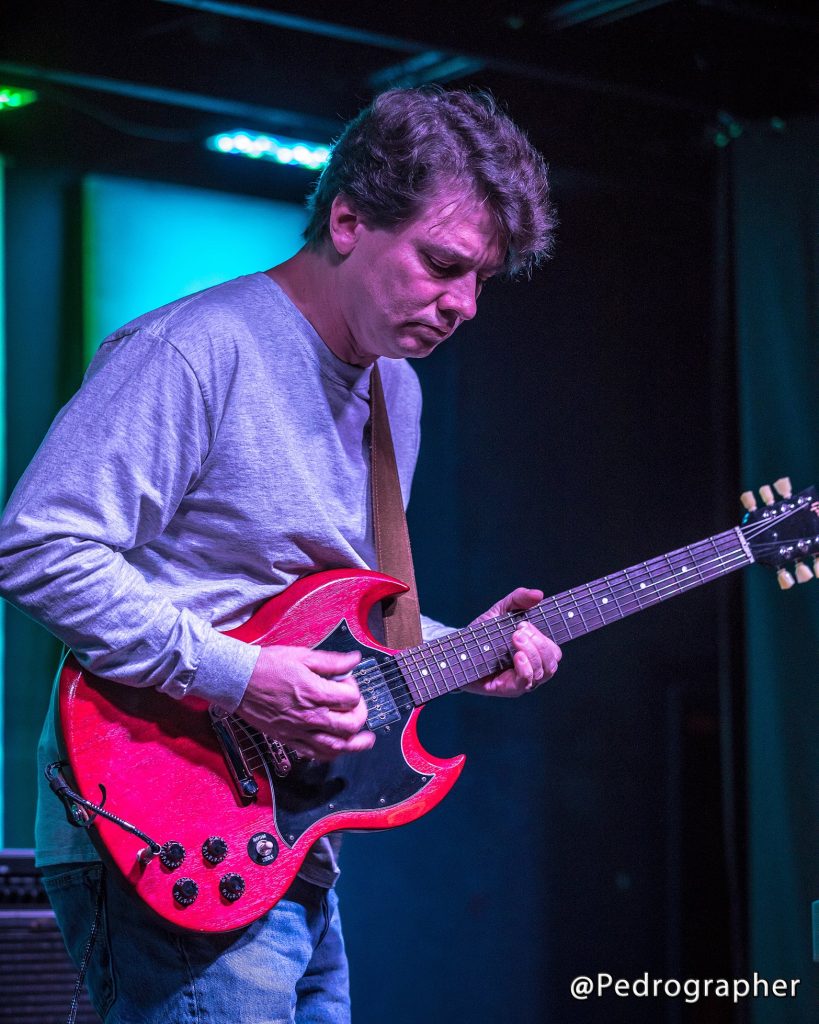
Thank you for the interview, Ross!
From late-night jam sessions to heartfelt originals that capture love, loss, and everything in between, Ross Browne reminds us why local music matters—it’s real, raw, and rooted in connection. His passion for collaboration and his gratitude for Tucson’s creative community shine through in every story and song.
You can catch Ross performing with Southbound Pilot and Gift Horse around Tucson, or explore their recordings on Bandcamp. Keep an eye out for new music soon—and if you see him on stage, don’t be surprised if you leave inspired to pick up your own instrument.
Thanks to Our Community Sponsors
Related Posts
Tucson Band Spotlight: Znora
Meet Lance Wilson: Artist, Author, and Tucson Music Super Fan
Tucson Musician Spotlight: Frank Filipo
Community Spotlight: Music is Healing Festival